
the No1 Google Ranking Luxury Property Magazine
Prime Property Prices Outside London Top Pre-Crash Peak
05.10.20After 13 years, prime property prices across the UK have topped their pre Global Financial Crisis peak, having risen by +1.7% in the three months to the end of September.
Average prime values outside of London have climbed beyond their 2007 peak for the first time and now sit some 1.4% above their pre-crash high. Prime broadly refers to the top 5-10% of the market by value.
Q3’s +1.7% increase was the highest quarterly increase since March 2014, and took the annual rate of prime property price inflation to +2.6%.
Price rises have been driven by a post-lockdown flurry of activity, which recently prompted Savills and other market-watchers to upgrade their property price forecasts for the year ahead – although the consensus remains that things will drop off once the Stamp Duty holiday ends in March and brutal economic realities hit home in 2021.
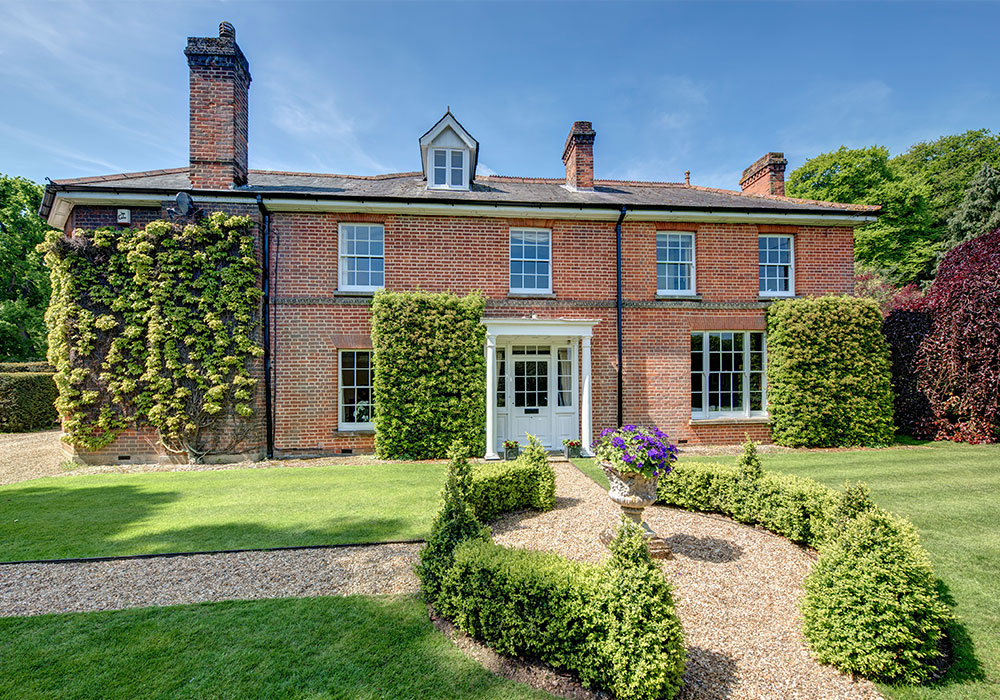
The biggest increases, 3.4% in Q3, were seen in the traditional £2m+ country house market, after “a huge resurgence of interest post lockdown.” Agents’ numbers indicate that this has been led by the southern regions of England and Scotland, “based on the excellent value they still offers”.
Coastal properties have also been in high demand. Average prices rose by 2.9% in the quarter (+3.9% year-on-year) as a desire for lifestyle change, coupled with the summer’s travel restrictions, led to strong competition in this part of the market.
It’s a different story in prime London; property prices here remained flat in Q3, despite a pick-up in domestic buyer activity.
The capital’s greener enclaves – such as Richmond, Wimbledon, Wandsworth, Chiswick, Islington and Victoria Park – and outer prime London homes with gardens have been in the greatest demand in recent months, meaning prices have escalated much faster than elsewhere in the capital – by an average of 4.5% year-on-year.
In outer prime London, the value of property worth £2m or more increased by 0.5% in the quarter and by 2.4% in the last year. In central London, £10m+ property has risen in value by 0.2% in the quarter compared to a fall of -0.5% for those worth less than £2m.
PCL values remain -20.9% below their 2014 peak.
The Stamp Duty holiday has had less impact on buyer commitment in higher-value central London markets, though the possibility of future changes to capital gains tax has led some owners to consider selling.
The incoming surcharge for non-resident buyers in April is expected to spur a rapid return of Prime Central London buyers once travel restrictions lift.

Categories
Property Of The Week
-
 Property Of The Week: Ultra-Luxe Waterfront Living At The Cove Miami
23.03.26
Property Of The Week: Ultra-Luxe Waterfront Living At The Cove Miami
23.03.26
- Property Of The Week: Warwickshire’s Magnificent Georgian Residence 19.03.26
- Property Of The Week: Modern Mountain Luxury At 31 Northstar Circle 11.03.26



Abode Affiliates
































































































































































































COPYRIGHT © Abode2 2012-2026